
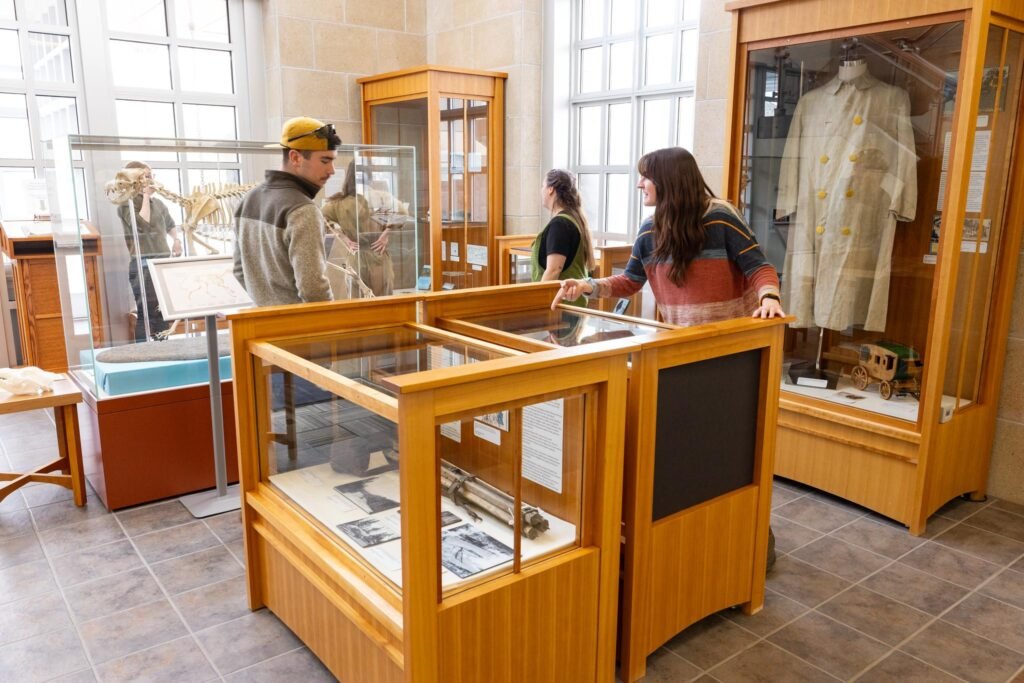
The phrase “Trump administration park exhibit complaints” has suddenly become one of the fastest-rising search trends online. Thousands of people across the United States are searching for information related to complaints, criticism, and public reactions connected to exhibits and presentations in national parks that were reportedly influenced or modified during the Trump administration years.
The topic has triggered major debate on social media, travel blogs, tourism communities, and political discussion forums. Many people are questioning whether politics should influence public history exhibits inside America’s national parks and museums.
At the same time, others argue that administrations often shape historical presentations according to their own priorities and political views. Because of this, the controversy has expanded beyond tourism and entered a larger national conversation about history, culture, politics, and public education.
Why the Topic Is Trending on Google
Google Trends data shows that searches related to the controversy increased rapidly within a short period of time. Interest grew after online discussions and reports claimed that certain exhibits inside parks or federally managed visitor centers reflected political narratives connected to the Trump administration.
As screenshots and visitor comments spread online, people started debating:
- Whether exhibits were historically balanced
- If political messaging was influencing public institutions
- How history should be presented inside national parks
- Whether future administrations may also reshape public exhibits
The topic became especially popular because national parks are viewed by many Americans as neutral public spaces focused on history, culture, conservation, and education.
Understanding the Role of National Park Exhibits
National park exhibits are designed to educate visitors about:
- American history
- Wildlife and conservation
- Historic events
- Indigenous cultures
- National monuments
- Political history
- Important American leaders
Millions of tourists visit these parks every year to learn about the country’s heritage and historical identity.
Exhibits inside visitor centers often include:
- Historical photographs
- Documentary videos
- Interactive displays
- Written timelines
- Political and cultural history sections
Because these exhibits shape public understanding of history, even small changes can become controversial.
Why Some Visitors Filed Complaints
According to online discussions and visitor reactions, some complaints focused on concerns that political perspectives were influencing historical interpretation.
Critics claimed:
- Certain exhibits appeared politically motivated
- Historical information may have been selectively presented
- Some displays lacked broader historical context
- Political figures were portrayed too positively or negatively
Other visitors argued that national parks should remain politically neutral and focus only on factual educational content.
However, supporters of the exhibits defended the presentations and said every administration naturally influences public communication and federal projects during its time in office.
This disagreement is one of the main reasons the topic became highly controversial online.
Politics and Tourism Often Collide
The controversy also highlights how politics and tourism sometimes overlap in unexpected ways.
National parks are not only tourist attractions. They are also places connected to:
- American identity
- Historical storytelling
- Public education
- National memory
- Cultural heritage
Whenever governments update museums, monuments, or historical exhibits, disagreements can emerge about:
- Which stories are emphasized
- Which historical events receive attention
- How political leaders are represented
- What information is included or excluded
This is not unique to the United States. Similar debates happen in many countries around the world whenever governments influence cultural institutions or historical presentations.
Social Media Helped the Story Go Viral

Social media platforms played a major role in spreading the controversy.
Videos, screenshots, and visitor opinions quickly circulated online. Some posts received millions of views, causing even more people to search for details about the issue.
Travel bloggers, political commentators, historians, and journalists all joined the discussion. Many users shared personal opinions about whether public exhibits should be fully neutral or whether every historical presentation naturally reflects some level of political perspective.
The viral nature of social media helped transform what may have started as a local issue into a national trending topic.
Historians and Experts Share Different Opinions
Many historians believe historical interpretation is always influenced by cultural and political environments.
Some experts argue:
- Complete neutrality is difficult to achieve
- Historical exhibits often change over time
- Governments regularly update museum content
- Public history evolves with new research and perspectives
Other historians believe federally managed exhibits should avoid political influence as much as possible to maintain public trust.
Because of these differing opinions, the debate remains highly divided.
Impact on Tourism and Public Perception
Although the controversy is mostly political and cultural, it may also affect tourism discussions.
Some travelers prefer visiting parks for peaceful educational experiences and may dislike political controversies connected to tourism destinations.
Others believe these debates actually increase public interest in museums and historical sites because people become more curious about the exhibits themselves.
Interestingly, controversial topics often increase visitor numbers because tourists want to see the situation firsthand and form their own opinions.
Why National Parks Matter So Much in America
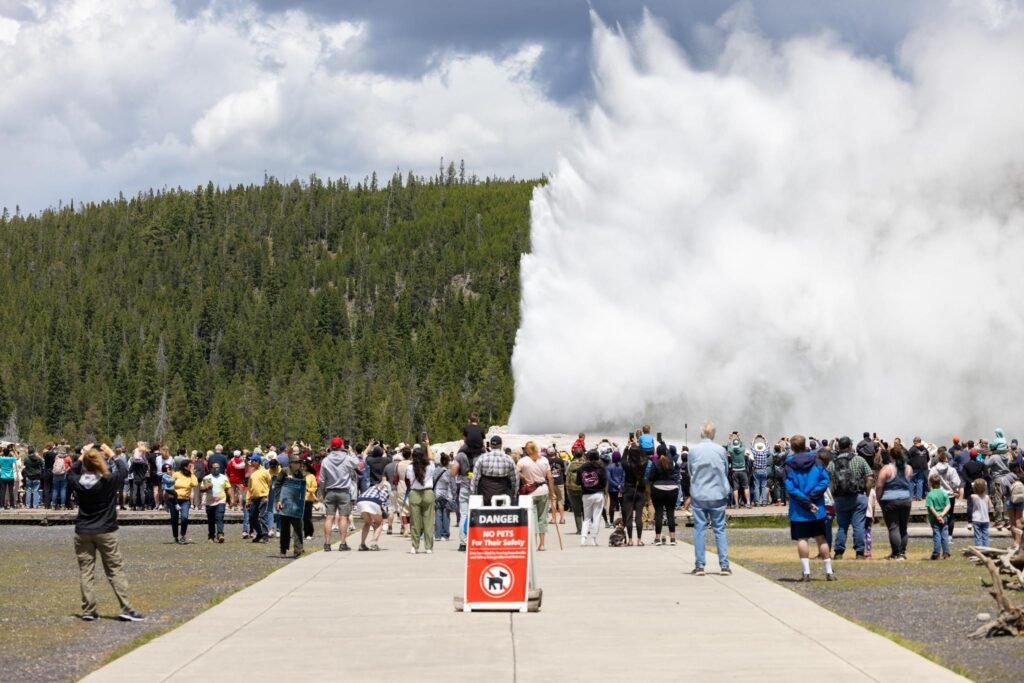
America’s national parks are considered some of the country’s most important cultural and environmental treasures.
They attract millions of domestic and international tourists every year and play a huge role in:
- Tourism revenue
- Education
- Environmental conservation
- Historical preservation
Because these locations hold symbolic importance, public reactions become much stronger whenever controversies involve museums, monuments, or educational exhibits inside park systems.
Could Similar Controversies Happen Again?
Many analysts believe future administrations from both political parties could face similar criticism.
Whenever governments oversee:
- Museums
- Historic monuments
- Educational exhibits
- Cultural institutions
there will likely be debates about historical interpretation and political influence.
Experts say transparency, balanced research, and public feedback are important for maintaining trust in educational institutions.
Public Reactions Remain Divided
The online response to the controversy remains sharply divided.
Some people believe:
- Political influence should stay away from public exhibits
- National parks should focus on unbiased history
- Educational displays should remain neutral
Others believe:
- Every administration shapes public messaging
- Historical interpretation changes over time
- Political debates around history are normal
This divide explains why the topic continues trending online and attracting public attention.
Final Thoughts
The “Trump administration park exhibit complaints” controversy reflects a larger national conversation about politics, history, and public institutions in America.
What started as complaints connected to exhibits inside national parks quickly turned into a nationwide debate involving tourism, historical storytelling, political influence, and cultural identity.
As social media continues amplifying public discussions, controversies involving museums, tourism sites, and historical exhibits are likely to become even more visible in the future.
For now, the topic remains one of the most searched and discussed political-tourism stories trending online.